Getting Unstuck from the Body Struggle - What Truly Works
Lately I’ve been feeling particularly inspired by working with clients who are struggling with their relationships to body, food, and/or movement. I have over 15 years of professional and personal experience in this area, having worked in eating disorder research, advocacy and awareness, treatment centers, and recovery. Recently I’ve noticed just how much I love getting to meet my clients wherever they are in their relationships to body/food/movement within my private practice. Whether they are holding a desire to reshape the way they relate to their body, struggling with exercise addiction, wanting to explore internalized fatphobia and diet culture myths, finding themselves in the depths of an active eating disorder, or maintaining solid recovery, it’s an honor to explore these tender and powerful places with my fellow human beings as we all exist in our bodies as best we can.
The ways we relate to our physical forms as well as how to nourish and move them can be so intimate and vulnerable.

As I support people and learn together with them, I’ve been thinking about what actually works when we want to create change in our relationship to our bodies and how we nourish/move them. In particular I think about what supports the shift out of eating disorders, these severe mental illnesses from which recovery can be so very challenging. Thus today I’ve compiled a list (I do love lists!) of some of the things I believe truly work in recovery, whether from an eating disorder or body image struggles or anything else in this realm of being in a body.
Note: While I use the words “recovery,” “eating disorder” and “disordered part” these concepts do not only apply to severe eating disorder experiences, they are applicable to any change process.
What truly works in eating disorder recovery?

Opening to support.
We are not meant to do this alone. This whole being-a-human-thing is a team sport especially when we face challenges such as recovering from an addiction (yes, eating disorders fall into a category of addictions called process addictions). The disordered part of you wants to create isolation so that it can stay in control. Therefore, it is important to lean on family, friends, support groups, therapists, dieticians, and anyone else who feels safe and supportive of your journey. It’s so brave to reach for support and it is so worth it!

Finding role models.
Seeing real life recovery and hearing positive messages about how to relate to our bodies, food, and movement is important because what we see and hear influences us and what we believe is possible. Role models may come in the form of mentors, podcasts, recovered/recovering people in your life, support groups, friends, social media, books, and more. I highly recommend curating your social media feeds to be filled with recovery role models and finding real life people who walked this journey before you. There is nothing like connecting with others who truly understand what you are going through and can offer you some hope on the hard days.
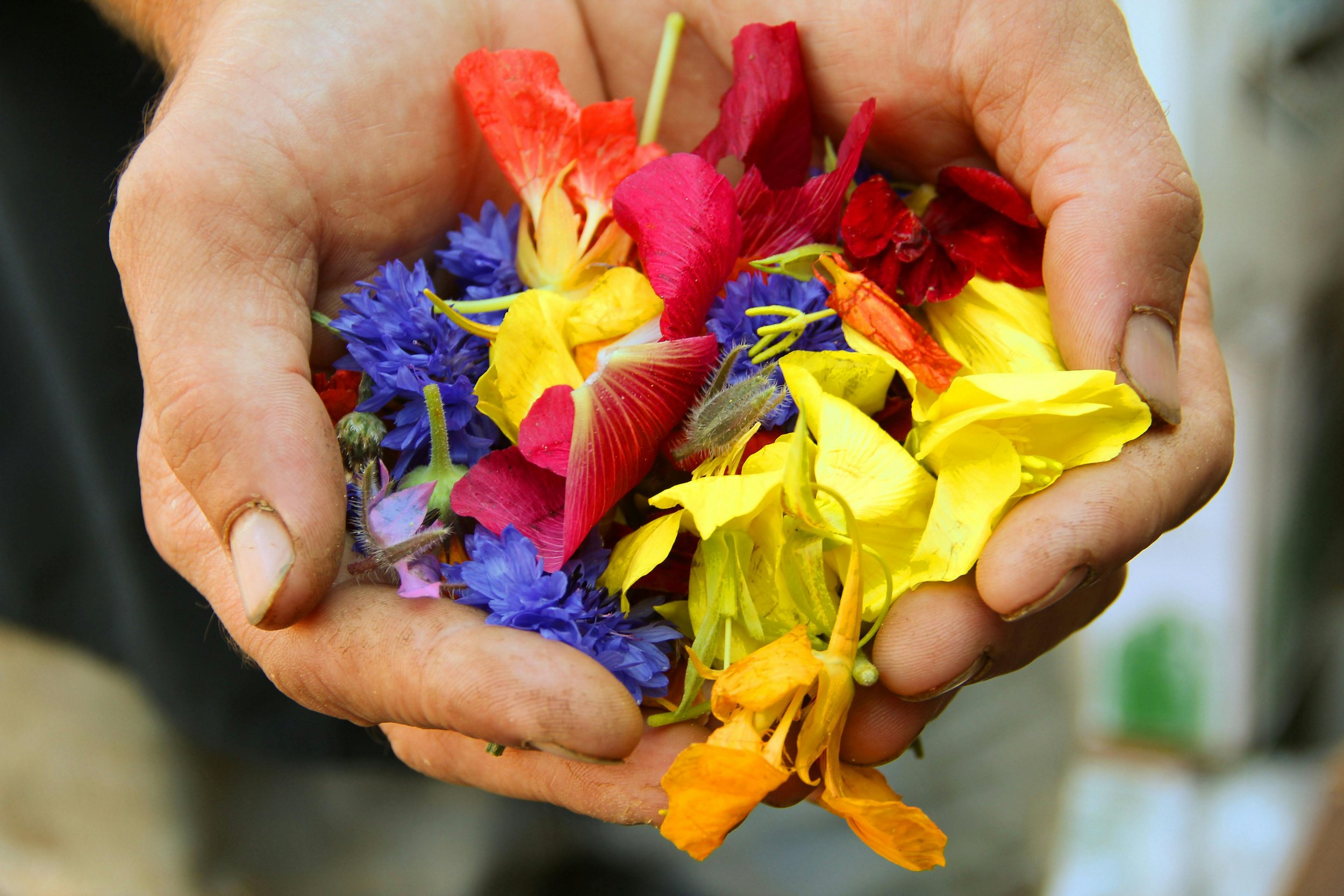
Holding your values close.
Identifying and understanding your own values is an essential part of coming home to yourself instead of continuing to allow the disorder to guide your life. Separating your values from the disordered part’s values gives you a guide to understand when you are making a decision versus when the disorder is making a decision. Our values are our north stars, compasses, and guiding lights; let’s hold them close!
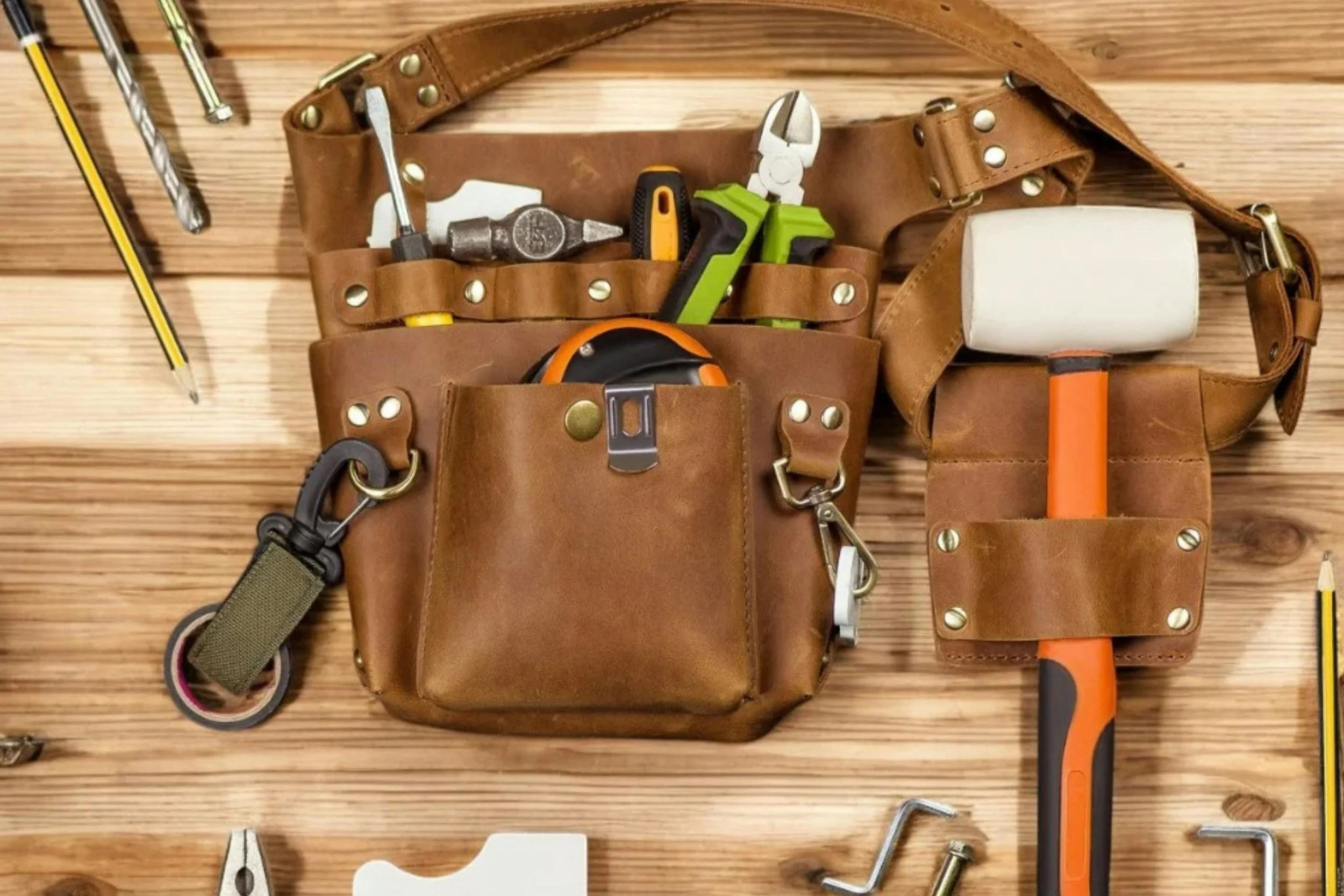
Building skills for emotion regulation.
One of the disorder’s roles is as a coping mechanism to deal with overwhelming emotions and experiences. Learning alternative ways of coping - especially for emotion and nervous system regulation - helps us shift away from relying on the disorder. It’s all about adding skills to our toolbelt! Learn and practice them on repeat until you are literally doing them in your sleep! They can feel silly but they truly do create change one small moment at a time. It’s all about experimenting to find the ones that work for you.
Separating your true self from the disorder part.
Coming back to your true self outside of the disorder is a huge part of recovery. The first step is to start recognizing the disordered part’s voice and then distinguishing it from your own wise voice. It might feel impossible in the beginning and that’s ok. This takes time. Eventually you’ll be able to turn down the volume on the disordered part’s voice until it’s a slight mummer in the background of a full life, and for some it will fade away entirely.
MOST IMPORTANTLY, holding onto hope (i.e. not giving up).
You are worth it! Recovery is a lot of work and takes a metric ton of persistence, especially in our current culture that promotes small bodies as the ideals and serves up constant overwhelm and fear which we may not know how to cope with. Sheer determination, courage, and grit pull us through. However, as previously mentioned, it’s about doing it WITH OTHERS - NOT ALONE. We often need others to hold the bravery for us while we just get through the day. You’ve got this!
Whether we ever connect or not, I’m one of the others who believes in you and holds hope when you can’t. I believe in the change you want to create. If you ever want to explore one of these topics more or simply want to chat, please reach out.
I truly care - about you, about recovery, about each of us deserving to live joyfully - or at least peacefully - in our bodies.
You are not alone.